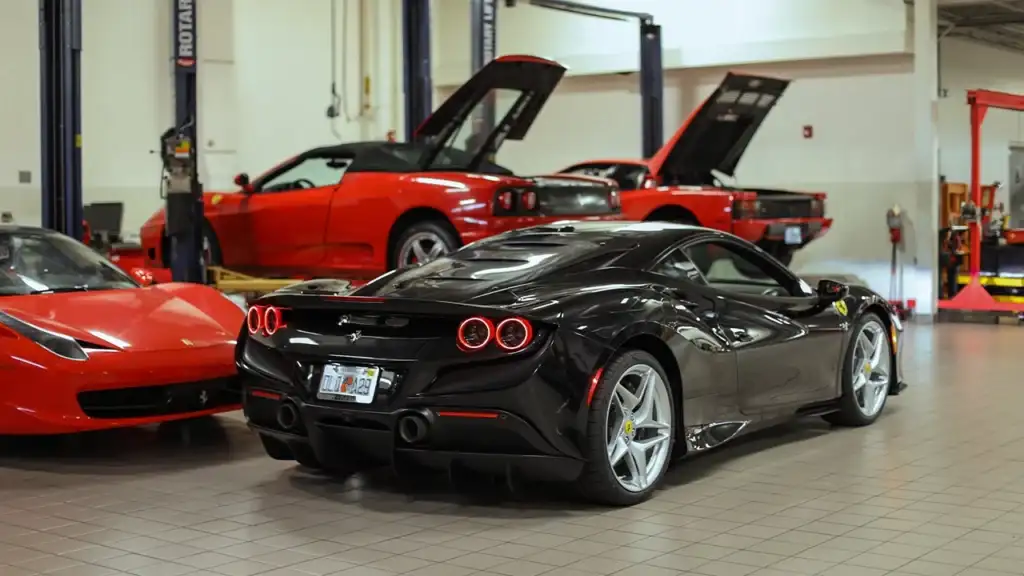
Ferrari maintenance follows a factory-defined annual service schedule performed exclusively through authorized Ferrari service centers. Unlike mileage-based programs, Ferrari operates on a fixed yearly cadence that includes diagnostics, software updates, fluid replacement, and documented service continuity to preserve performance, warranty eligibility, and long-term value.
Ferrari maintenance follows a factory-defined annual service schedule, not mileage. Each model adheres to a globally standardized inspection cadence designed to preserve mechanical calibration, software integrity, and documented service history.
Service is performed within the authorized Ferrari network using manufacturer diagnostics and model-specific procedures. The goal is long-term system alignment—keeping performance, electronics, and mechanical tolerances within Ferrari factory specifications.
Ferrari uses a time-based annual inspection model, even for low-mileage vehicles. Fluids age, seals settle, and electronic systems evolve through software updates over time.
Annual service typically includes:
This structured cadence helps preserve mechanical stability and documented ownership history throughout the vehicle’s lifecycle.
Keeping organized service records helps simplify resale, certification review, and long-term ownership planning. A documented service history provides transparency and confidence for future buyers or inspectors.
While routine mechanical work can be performed in many environments, authorized Ferrari service ensures maintenance activity is recorded within the official Ferrari service framework used for warranty review and certification eligibility.
For owners focused on long-term preservation or future Ferrari Classiche consideration, consistent documentation becomes increasingly important as the vehicle matures.
For a broader perspective on ownership planning, see our Ferrari Ownership Guide.
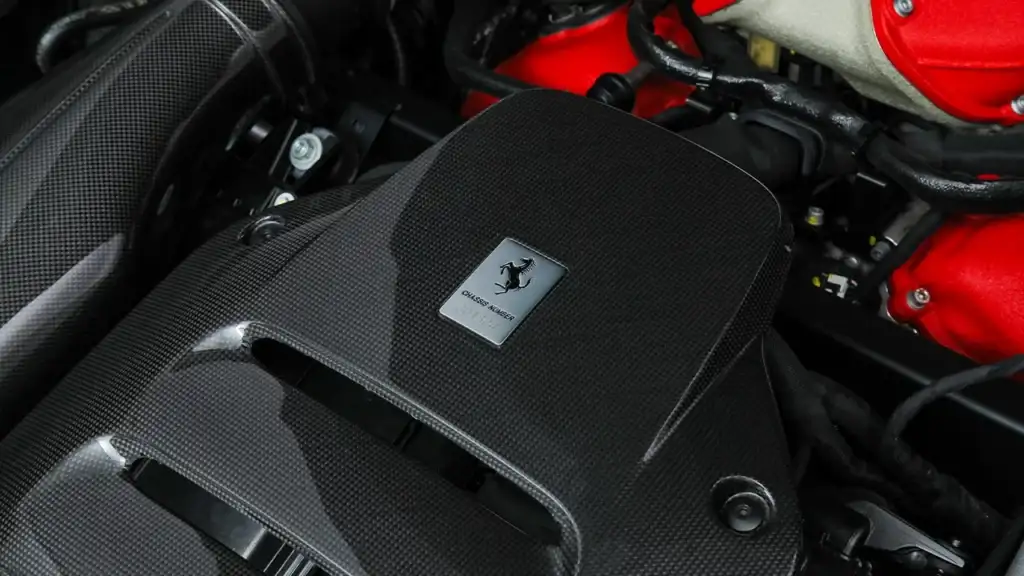
Modern Ferraris integrate advanced electronics, performance systems, and manufacturer-specific software. Authorized Ferrari service centers use factory diagnostic platforms and approved procedures designed for these systems.
While routine mechanical work can be performed in many environments, authorized service provides access to Ferrari-approved tools, software updates, and calibration standards for each model.
Authorized Ferrari service typically includes:
This structured approach helps maintain system accuracy, performance calibration, and documented service continuity.
Service performed through authorized centers is recorded within Ferrari’s official service framework. Organized records simplify resale, warranty review, and program eligibility where applicable.
While independent service may address mechanical concerns, gaps in documentation can create uncertainty during resale or certification review. Consistent record-keeping supports long-term ownership flexibility.
Authorized service continuity may support:
Ferrari vehicles are engineered as integrated mechanical and digital systems. Annual service maintains alignment across engine performance, transmission behavior, chassis integrity, electronic calibration, and—where applicable—hybrid systems.
Rather than focusing on individual components, Ferrari service evaluates how these systems work together within factory-defined performance parameters.
During annual service, technicians inspect key mechanical and structural components, including:
These inspections focus on preventive verification, helping preserve structural rigidity, smooth gear transitions, and consistent power delivery.
Modern Ferraris rely on advanced control modules, integrated software, and—on hybrid models—high-voltage systems. During service, diagnostic platforms evaluate:
Hybrid Ferraris introduce additional systems that require specialized oversight. Our Hybrid Ferrari Maintenance Guide explains how these platforms are governed.
Climate and storage conditions influence long-term Ferrari ownership. Heat, humidity, coastal air, and extended inactivity can all affect materials and mechanical systems if not managed proactively.
Environmental exposure does not inherently reduce value — but it does require thoughtful planning.
Sustained heat and frequent short drives can place additional strain on cooling systems, lubricants, and seals. Regular inspection of thermal systems and proper storage conditions help maintain long-term stability.
High humidity can accelerate oxidation of metal components and increase moisture absorption in brake and transmission fluids. Scheduled fluid replacement and underbody inspection help reduce these risks.
Vehicles stored for extended periods benefit from:
Ferrari interiors feature fine leathers, Alcantara, carbon fiber, and advanced composites, while exterior finishes rely on multi-layer paint systems and aerodynamic surfaces.
Long-term preservation benefits from:
Consistent care helps preserve both cosmetic condition and long-term resale confidence.
Within the Ferrari ownership ecosystem, service documentation functions as structural leverage. A complete and authorized service history supports certification eligibility, warranty review, resale positioning, and long-term preservation planning.
Service performed within the official Ferrari framework is recorded in a manner recognized across the authorized network. This continuity reduces uncertainty in future transactions and supports transparency during certification evaluation or ownership transition.
Documentation does not define ownership — it reinforces clarity, confidence, and long-term flexibility.
Ferrari ownership begins with structured factory coverage. Every new Ferrari includes a three-year unlimited mileage manufacturer warranty covering replacement parts and labor for manufacturing defects through authorized Ferrari service centers.
In addition, most new models include the 7-Year Genuine Maintenance Program, which covers scheduled annual service using Genuine Ferrari Parts during the first seven years of ownership.
After these initial coverage periods, maintenance costs vary by model and usage, but Ferrari’s annual service cadence remains consistent, helping owners plan long-term care with clarity.
Ferrari maintenance costs vary depending on the model, service interval, and wear components. The table below outlines typical service costs Ferrari owners may encounter once the factory maintenance program concludes.
| Service Type | Estimated Cost (Approx.) |
|---|---|
| Annual Service (After Ferrari’s 7-Year Program) | ~$1,200 – $2,000 |
| Oil Service | ~$800 – $1,500 |
| Brake Pads | ~$2,000 – $5,000 |
| Brake Rotors | ~$5,000 – $12,000 |
| Tire Replacement (Set of 4) | ~$2,500 – $4,500 |
| Clutch Replacement (Older Models) | ~$6,000 – $12,000 |
| Hybrid System Diagnostics | ~$500 – $1,500 |
As Ferraris age, owners may consider factory-backed extended coverage programs where available. These programs can provide additional protection for major mechanical and electronic systems beyond the standard warranty period.
Long-term ownership planning typically includes:
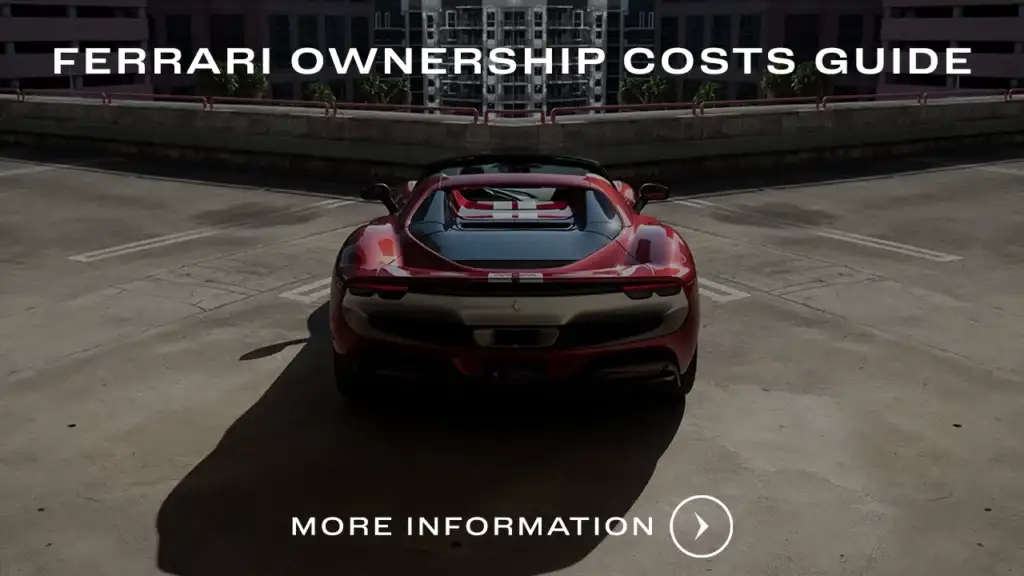
Maintenance defines how the vehicle is cared for. For a broader breakdown of ownership expenses beyond service—including insurance and depreciation—see our Ferrari Ownership Costs Guide.
Most maintenance issues arise from inconsistent service timing or incomplete documentation rather than mechanical complexity. Following Ferrari’s recommended annual service schedule helps prevent avoidable wear and unexpected repairs.
Common maintenance missteps include:
Consistent adherence to scheduled maintenance supports mechanical stability and long-term ownership confidence.
Most modern Ferraris follow a 12-month service schedule, regardless of mileage. Annual service includes inspection, diagnostics, fluid checks, and software updates to maintain mechanical and electronic performance.
Yes. Even with limited driving, fluids degrade over time and electronic systems require periodic review. Ferrari’s time-based service model is designed to address aging components, not just mileage accumulation.
For new models covered under the 7-Year Genuine Maintenance Program, scheduled annual service is included for the first seven years. After that period, annual maintenance costs typically vary by model and usage, often ranging broadly depending on drivetrain and service needs.
Consumables such as tires and brakes depend heavily on driving style.
Ferrari maintenance is structured and predictable when service intervals are followed. While costs may be higher than conventional vehicles, they reflect specialized components, factory tooling, and performance engineering.
Proper planning significantly reduces unexpected expenses.
While independent specialists may service certain components, modern Ferraris rely on manufacturer-specific diagnostics and software systems. Authorized service centers have access to factory-issued updates and model-specific tooling.
Choosing the right service environment depends on ownership goals and documentation preferences.
Yes, but doing so may affect warranty coverage, certification eligibility, or resale evaluation depending on the circumstances. Maintaining clear documentation is important regardless of service location.
A complete and organized service history simplifies resale, warranty review, and certification evaluation. It provides transparency about how the vehicle has been maintained and reduces uncertainty for future buyers.
Hybrid models include additional high-voltage systems and battery components that require certified safety procedures and specialized diagnostic equipment. Maintenance remains structured but involves both mechanical and electronic system review.
Both. Scheduled service helps maintain performance consistency while also protecting long-term mechanical integrity and resale confidence.
Consistent maintenance supports documentation clarity and long-term ownership stability. While future opportunities are determined by multiple factors, organized service history contributes to overall ownership credibility.
Ferrari Maintenance Is Factory-Governed:
Service follows a globally standardized annual framework designed to preserve mechanical precision and system integrity.
Time — Not Mileage — Determines Service Intervals:
Annual inspections address fluid condition, electronic systems, and time-based wear regardless of usage.
Authorized Service Protects Documentation Continuity:
Maintenance within the Ferrari network preserves certification eligibility, warranty clarity, and resale positioning.
Environment & Storage Influence Long-Term Condition:
Climate, inactivity, and driving habits affect preservation and should be managed proactively.
Structured Maintenance Supports Cost Predictability:
Adherence to the factory schedule stabilizes long-term service planning.
Confirm that your Ferrari remains aligned with its annual factory service schedule and that service documentation is complete. Consistent maintenance helps preserve mechanical precision, software updates, and long-term eligibility within the authorized Ferrari network.
If factory coverage is nearing expiration, consider reviewing extended protection options where available. Storage and environmental planning should also support your scheduled maintenance routine.
When service is proactive and well documented, Ferrari ownership remains structured and predictable.
To discuss scheduling or long-term maintenance planning, contact Ferrari of Fort Lauderdale.
A Ferrari is not an investment—it’s a way of life.
At Ferrari of Fort Lauderdale, we guide ownership with discretion and intention—offering private access, curated experiences, and long-term stewardship for those who expect more than a car.
When you’re ready, begin a private conversation.