
Ferrari Models That Have Substantially Increased in Value
Which Ferrari Models Have Increased the Most in Value?
Several Ferrari models have appreciated significantly over time, particularly limited-production V12 Ferraris, analog-era platforms, and historically significant models.
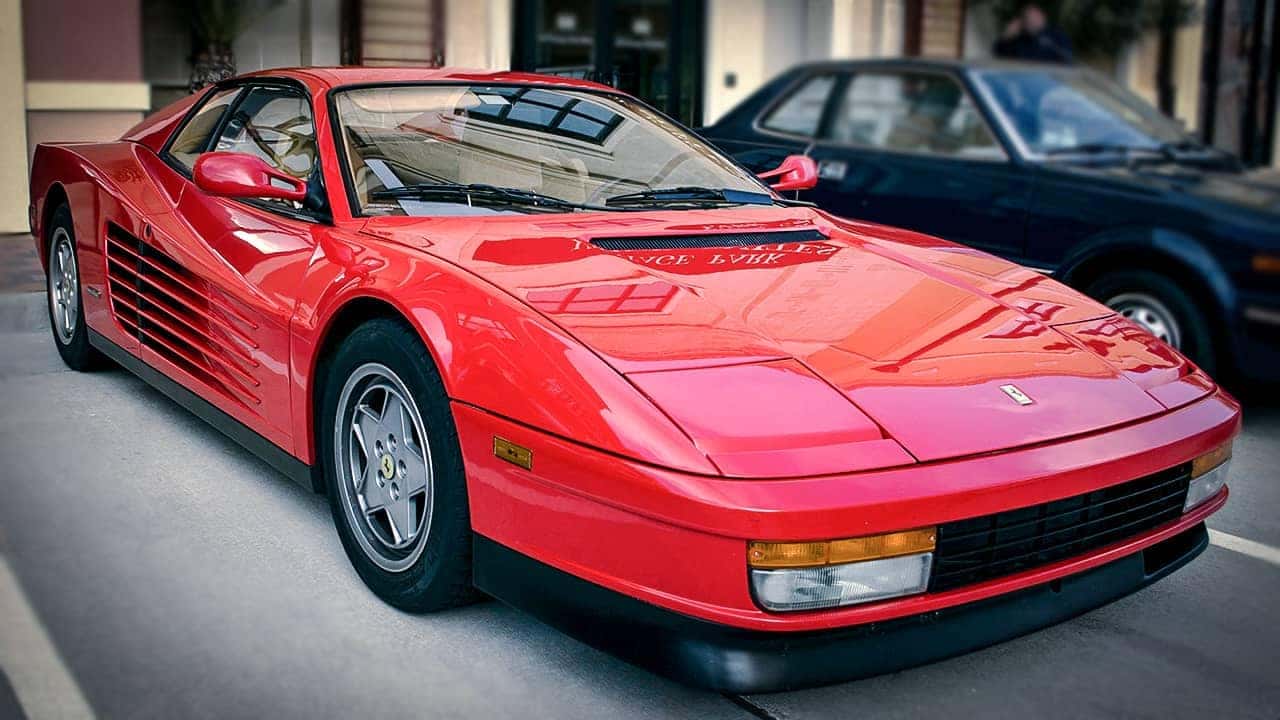
Models such as the Ferrari Testarossa, 330 GT 2+2, Ferrari 400, and 308 GTB have demonstrated strong long-term collector demand due to rarity, originality, documentation, and historical relevance.
Why Some Ferrari Models Appreciate
Ferrari appreciation is typically driven by rarity, production limits, drivetrain significance, and long-term collector demand.
Analog-era Ferraris — especially naturally aspirated V12 and early mid-engine platforms — often attract stronger collector interest because they represent distinct periods of Ferrari engineering history.
Common Factors Behind Ferrari Appreciation:
- Limited Production
- Naturally Aspirated V12s
- Original Factory Specification
- Documented Service History
- Cultural & Historical Significance
Historical appreciation varies by model, condition, originality, mileage, and market timing. While no Ferrari is guaranteed to increase in value, certain platforms have consistently demonstrated stronger long-term collector demand than others.
1. Ferrari Testarossa
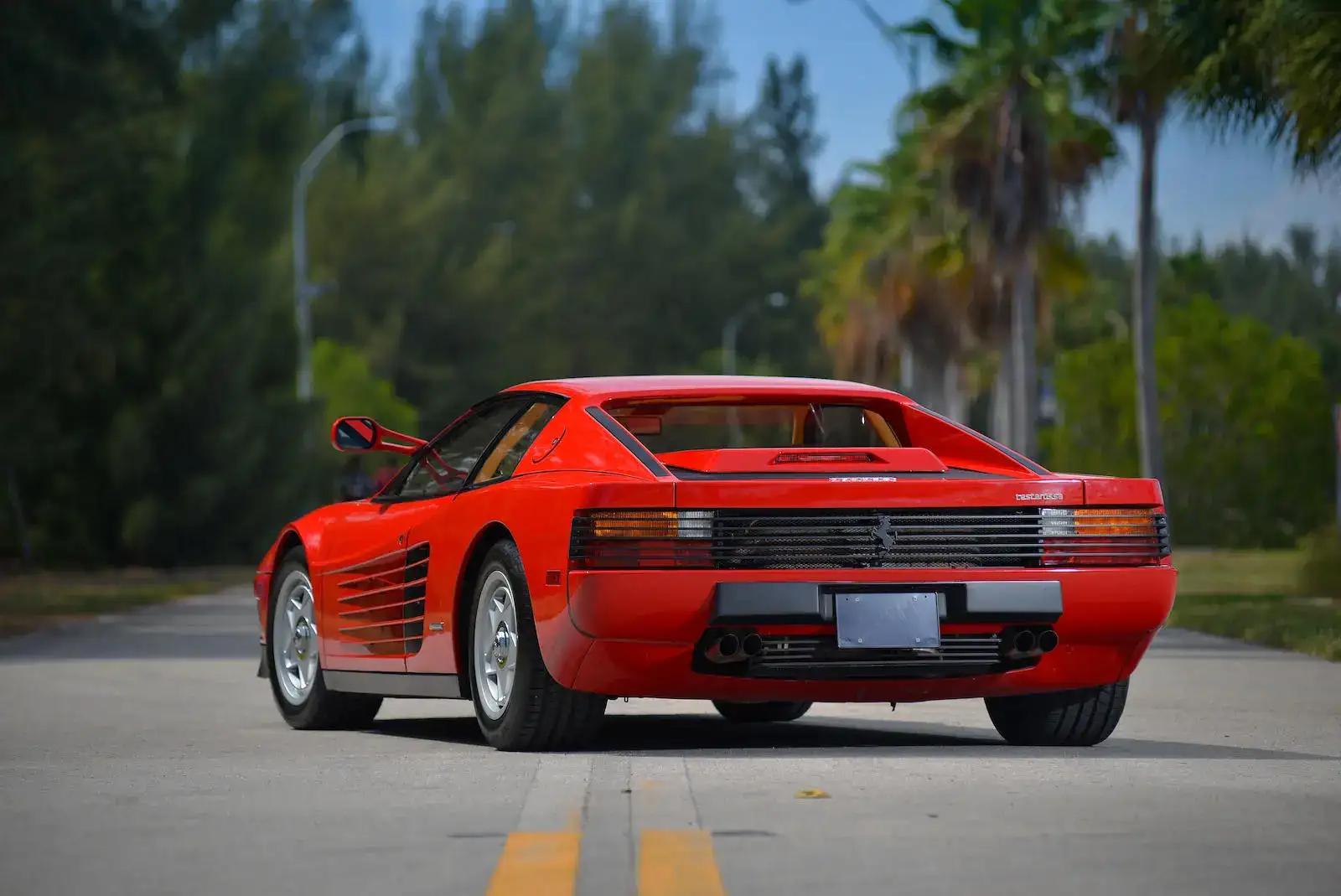
The Ferrari Testarossa has become one of the most recognizable and culturally significant models of the 1980s. Once viewed as an accessible entry point into twelve-cylinder Ferrari ownership, well-preserved examples have seen sustained appreciation as collectors increasingly value analog V12 platforms.
Characterized by its wide rear track, side strakes, and distinctive flat-12 soundtrack, the Testarossa represents a distinctly analog era of Ferrari engineering. Unlike today’s hybrid and turbocharged platforms, the Testarossa reflects a naturally aspirated, analog engineering philosophy unlikely to return in the same form.
2. Ferrari 330 GT 2+2
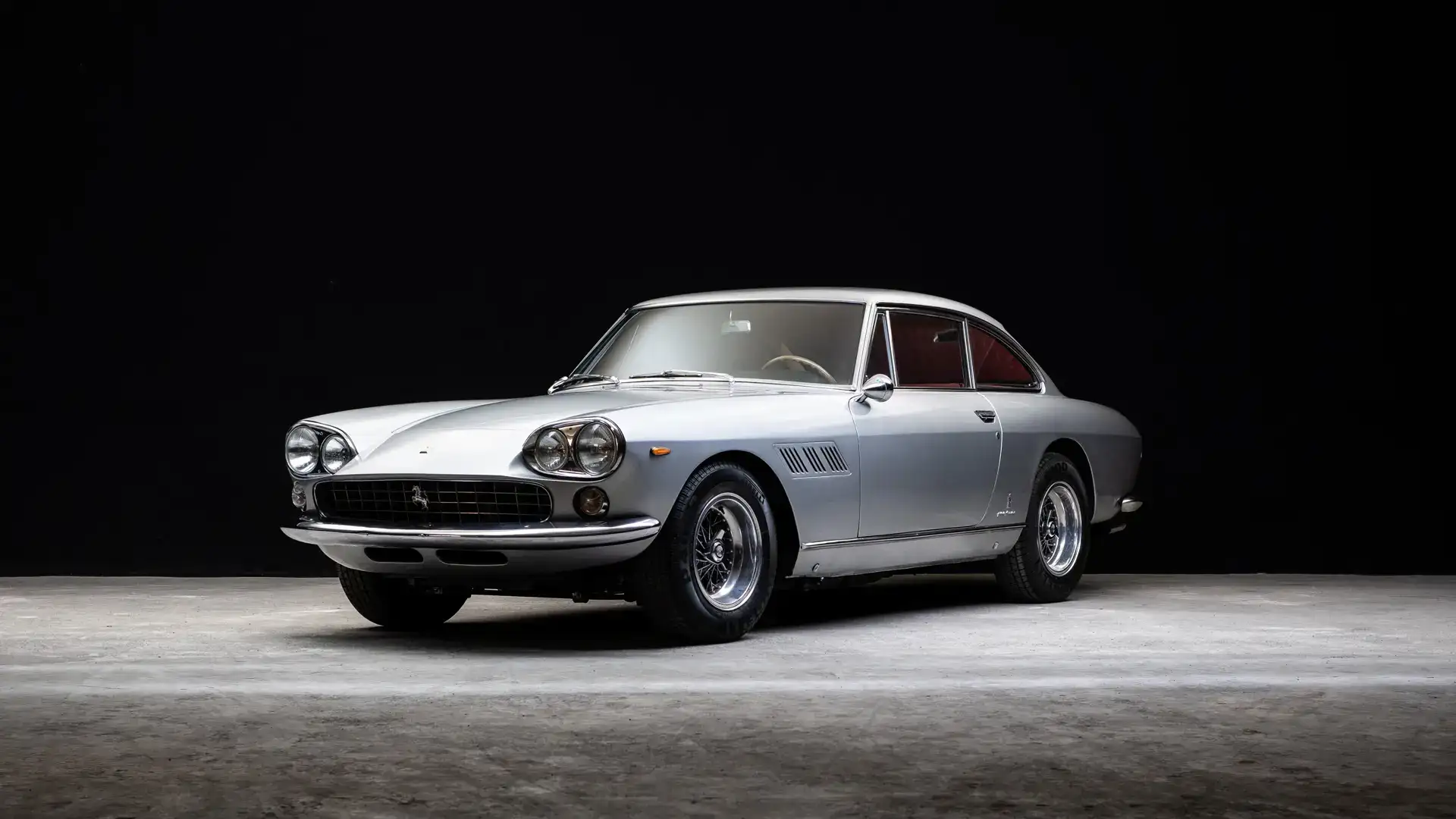
The Ferrari 330 GT 2+2 represents a classic grand touring era of Maranello production. Produced in limited numbers during the 1960s, the model combines period-correct styling with twelve-cylinder performance — a combination that continues to attract long-term collectors.
As interest in vintage Ferrari road cars has strengthened over the past two decades, properly restored and well-documented 330 GT examples have demonstrated meaningful appreciation. Rarity, originality, and documented ownership history remain key drivers of value within this segment.
3. Ferrari 400
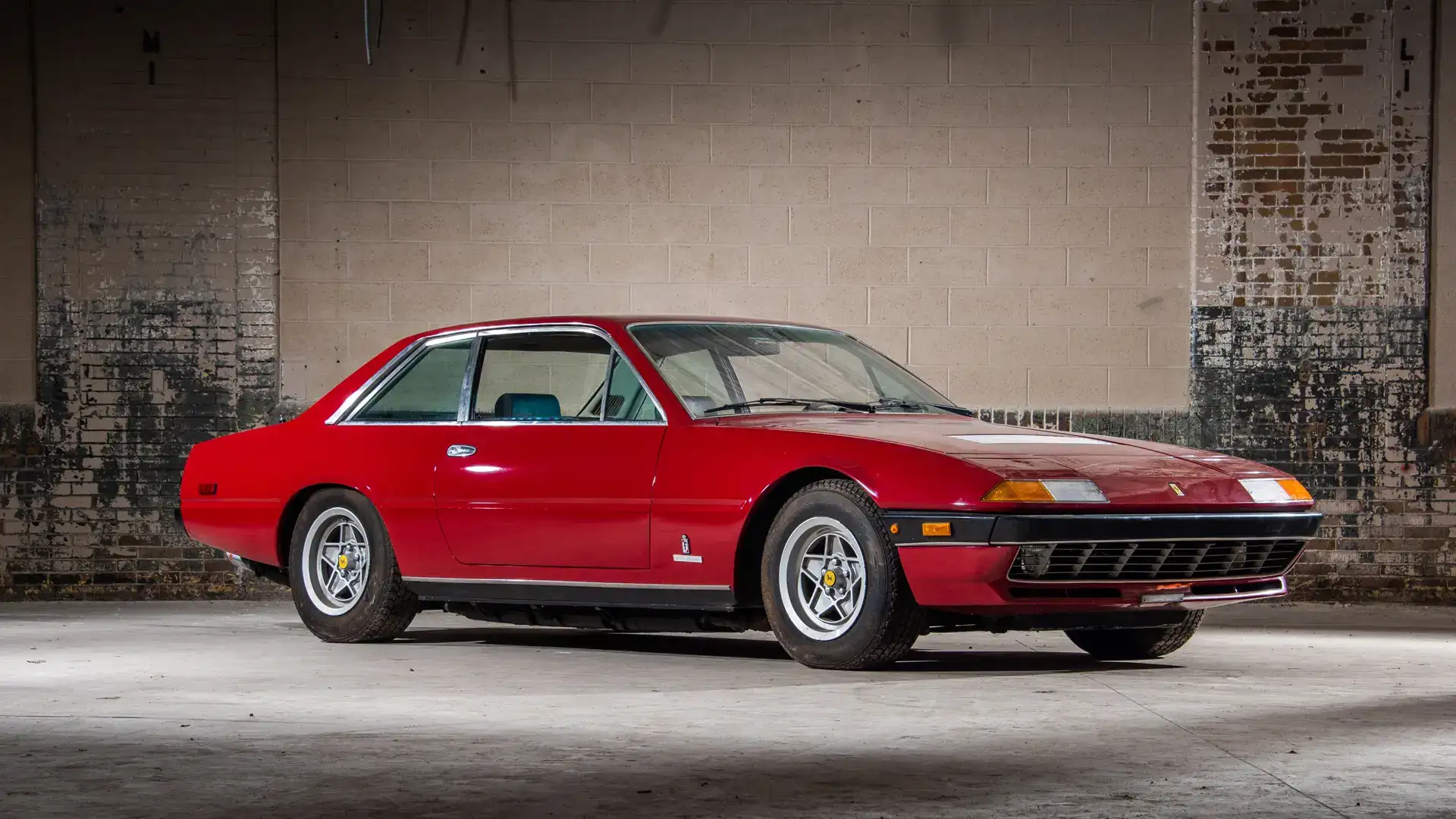
The Ferrari 400 was once overlooked within the collector community, but sentiment has gradually shifted. As one of the last front-engine V12 Ferraris available at relatively accessible levels, the model has drawn renewed interest from enthusiasts who value mechanical purity and understated design.
Manual-transmission examples in particular have seen stronger demand, as collectors increasingly prioritize engagement and rarity. While values vary significantly based on condition and documentation, the 400 has benefited from broader appreciation trends affecting classic V12 Ferraris.
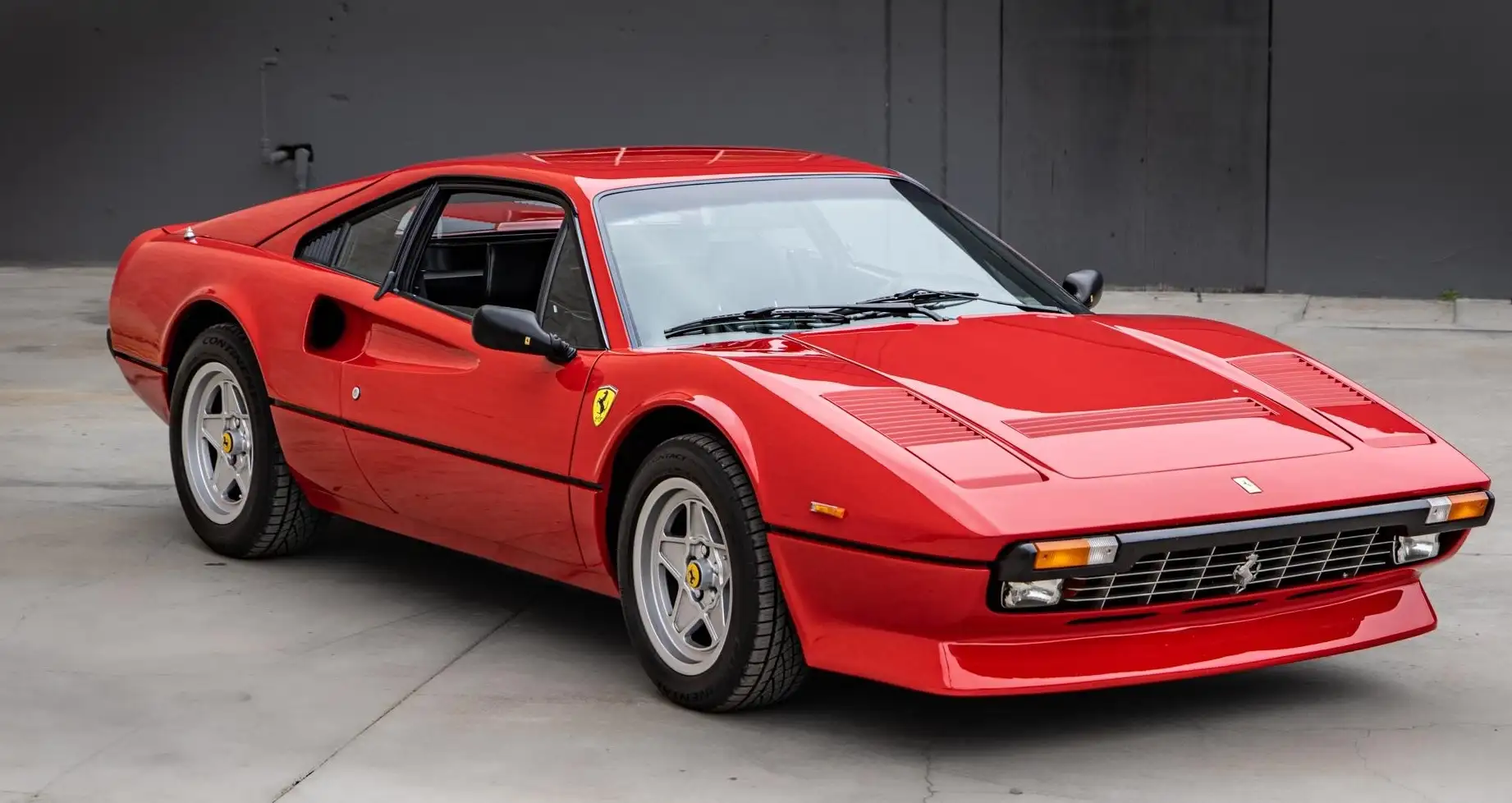
4. Ferrari 308 GTB
Produced between 1975 and 1985, the Ferrari 308 GTB remains one of the most recognizable Ferrari silhouettes ever built. Early fiberglass-body “Vetroresina” examples produced between 1975 and 1977 are particularly sought after, while later steel-body cars have also experienced steady appreciation as analog Ferraris become increasingly scarce.
The 308’s balanced proportions, mid-engine configuration, and cultural relevance have helped sustain collector demand. As with all appreciating Ferraris, originality, service records, and documented history play a significant role in long-term value stability.
Understanding Ferrari Market Appreciation
While certain Ferrari models have demonstrated historical appreciation, long-term value is influenced by condition, originality, service documentation, and overall stewardship. Production volume alone does not determine performance — disciplined ownership and proper maintenance remain critical factors. Ferrari’s controlled production philosophy has historically contributed to long-term market stability across key models.
For those evaluating Ferrari ownership through both performance and long-term value, understanding how different Ferrari models behave over time is essential. If you’re exploring opportunities today, you can also browse Ferrari for sale to view available models and current market availability.
For a deeper look at long-term Ferrari ownership considerations, including documentation standards and service expectations, explore our Ferrari Ownership Guide.
0 comment(s) so far on Ferrari Models That Have Substantially Increased in Value