Share this post:
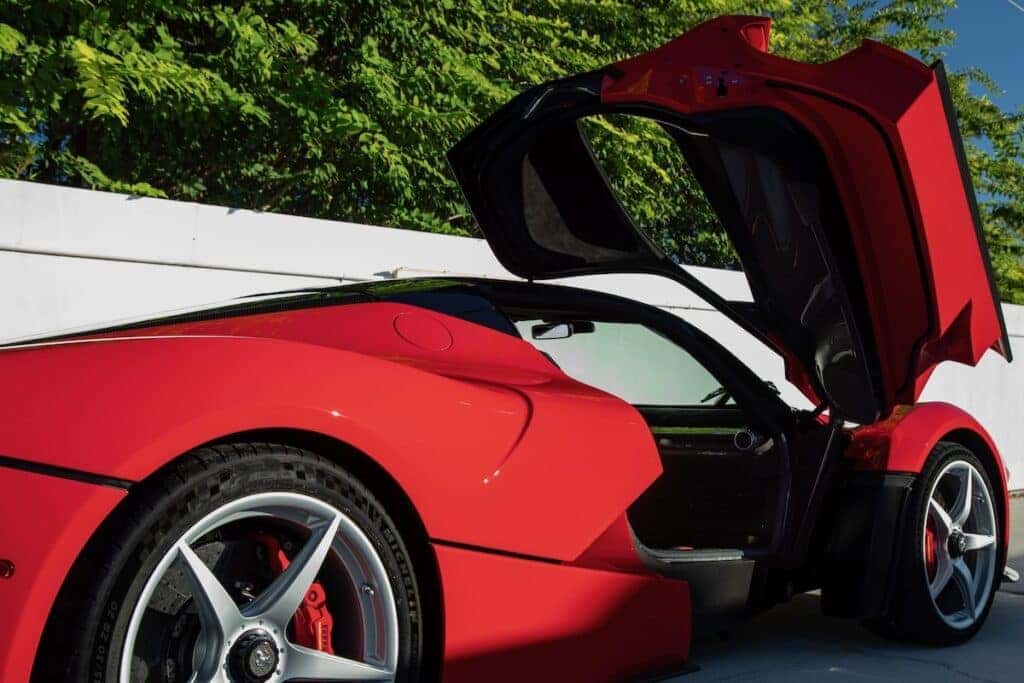
In the early 1900s, the FIA assigned mandatory national racing colors to competing countries — red went to Italy. When Enzo Ferrari built his first cars in 1947, they had to be painted red to race under the Italian flag. That shade, Rosso Corsa (“Racing Red”), became Ferrari’s permanent identity through decades of dominance on the racetrack.
The vibrant scarlet of a Ferrari is more than a paint choice. It’s a visceral statement of motorsport identity that predates the company itself.
In the early 1900s, the AIACR — predecessor to the FIA — assigned national racing colors so spectators could distinguish drivers at blurring speeds:

Rosso — vibrant red

British Racing Green
Bleu de France
White — originally
When the legendary 125 S rolled out of Maranello, it was finished in deep red — not by choice, but by rule. Enzo’s singular obsession was winning races. His cars competed under the Italian banner. They wore the mandated color.
There was one rebellion: in 1964, Enzo painted his Formula 1 cars blue and white under the American NART banner to protest Italian racing authorities. Brief, and never repeated. From that first V12 startup, Rosso Corsa became the permanent identity of the marque.
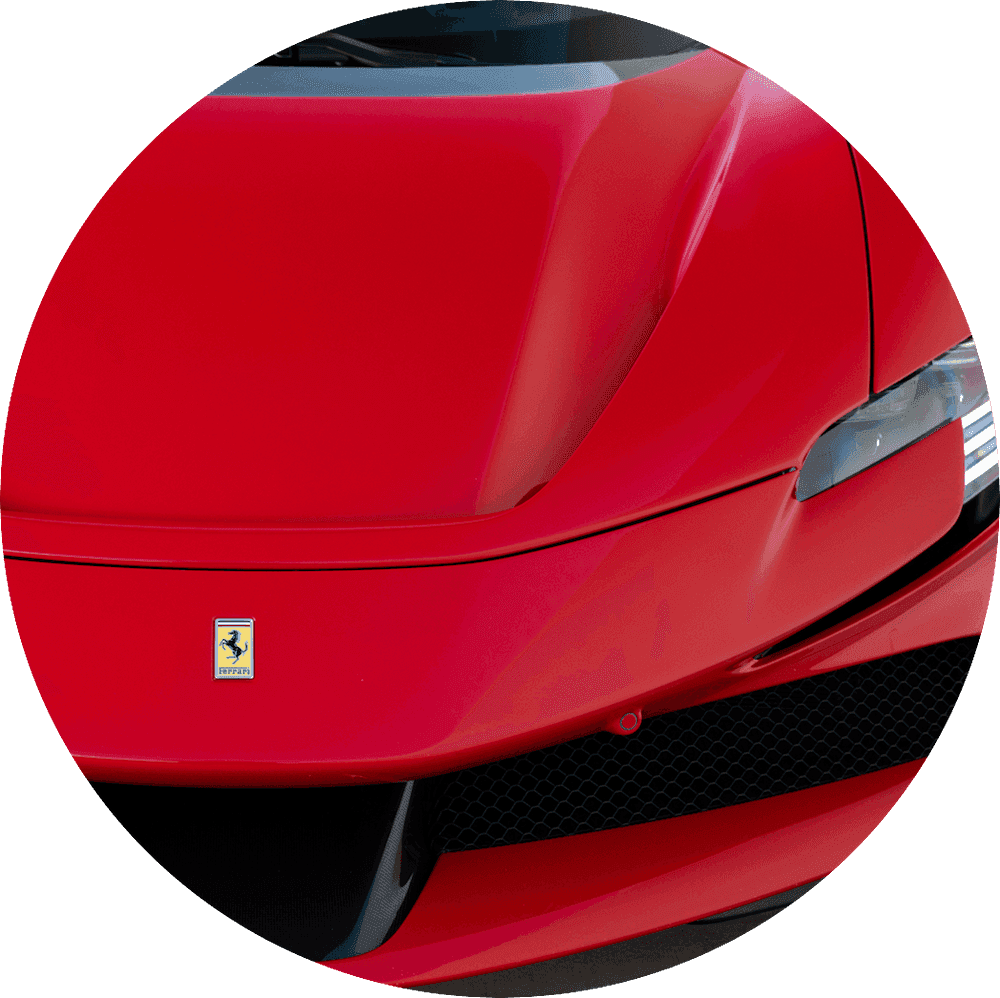
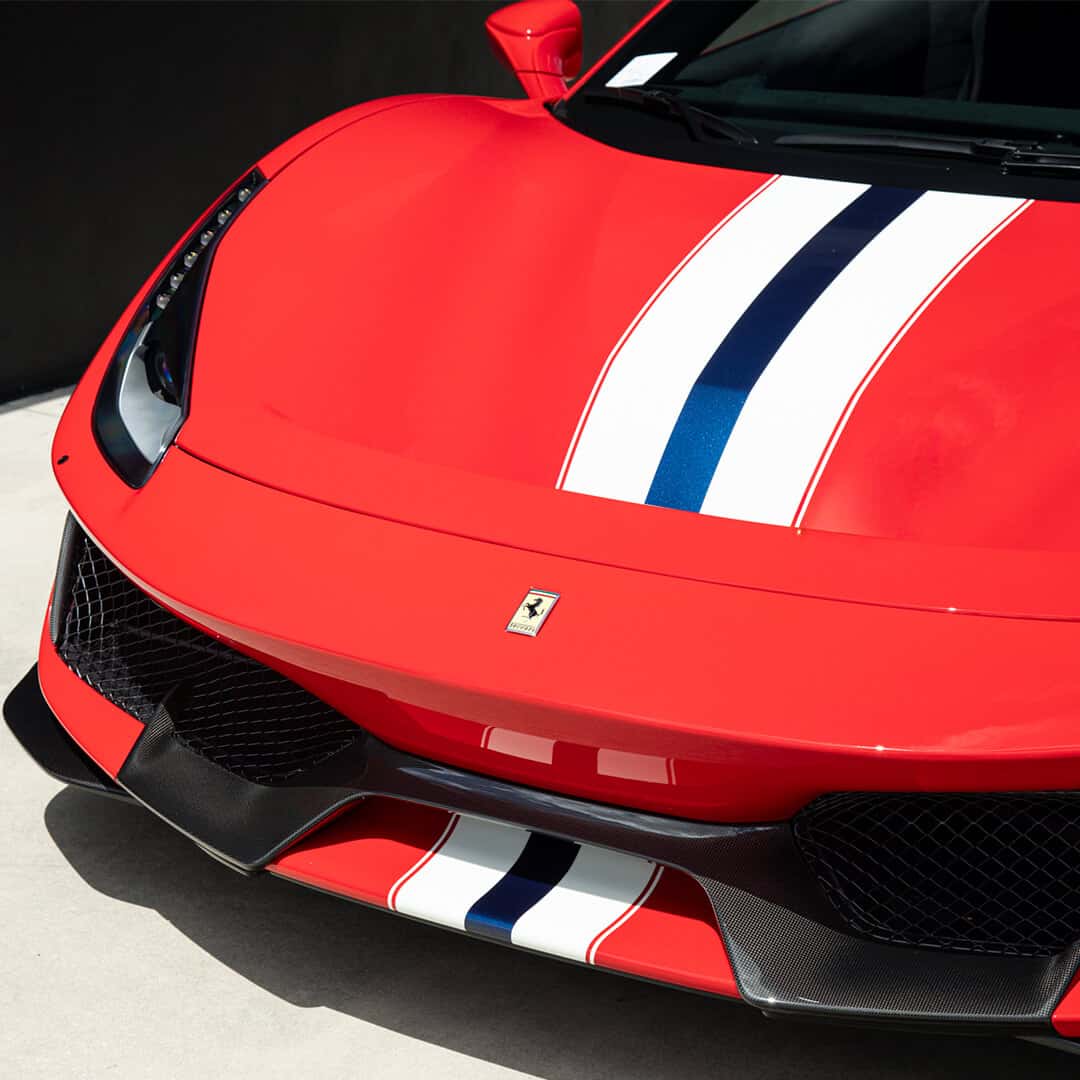
The literal translation is “Racing Red.” Ferrari’s identity began in competition, not status. Unlike automotive reds mixed for mass appeal, Rosso Corsa was engineered to look fast — flat, uncompromising, designed to show aerodynamic curves under harsh racetrack lighting, free of metallic flakes.
Ferrari didn’t just race — they dominated. Audiences watched red cars take flag after flag. The color evolved from regulatory requirement into an emotional symbol of speed and Italian engineering excellence.
Ask a child to draw a car, and he will certainly color it red.
Yet Enzo privately admired clients who ordered dark blue or silver — viewing them as true connoisseurs of the engineering, not buyers leaning into stereotypes.
Through the 1980s and 90s, an economic feedback loop locked red in place. Dealers stocked showrooms in red because it sold the fastest.
Before 2000
Today
Ordering silver or green felt financially reckless — buyers feared unusual specs would hurt resale value. For decades, ordering anything else felt like challenging Ferrari tradition itself.
Rosso Corsa is no longer the factory’s only red. The palette has evolved dramatically — each shade a different character, finish, and intent.

Pastello · The definitive standard · Since 1947
Evolved from a dark brick-like hue into a brighter flat solid. Zero flake. Every body line exactly as designed.
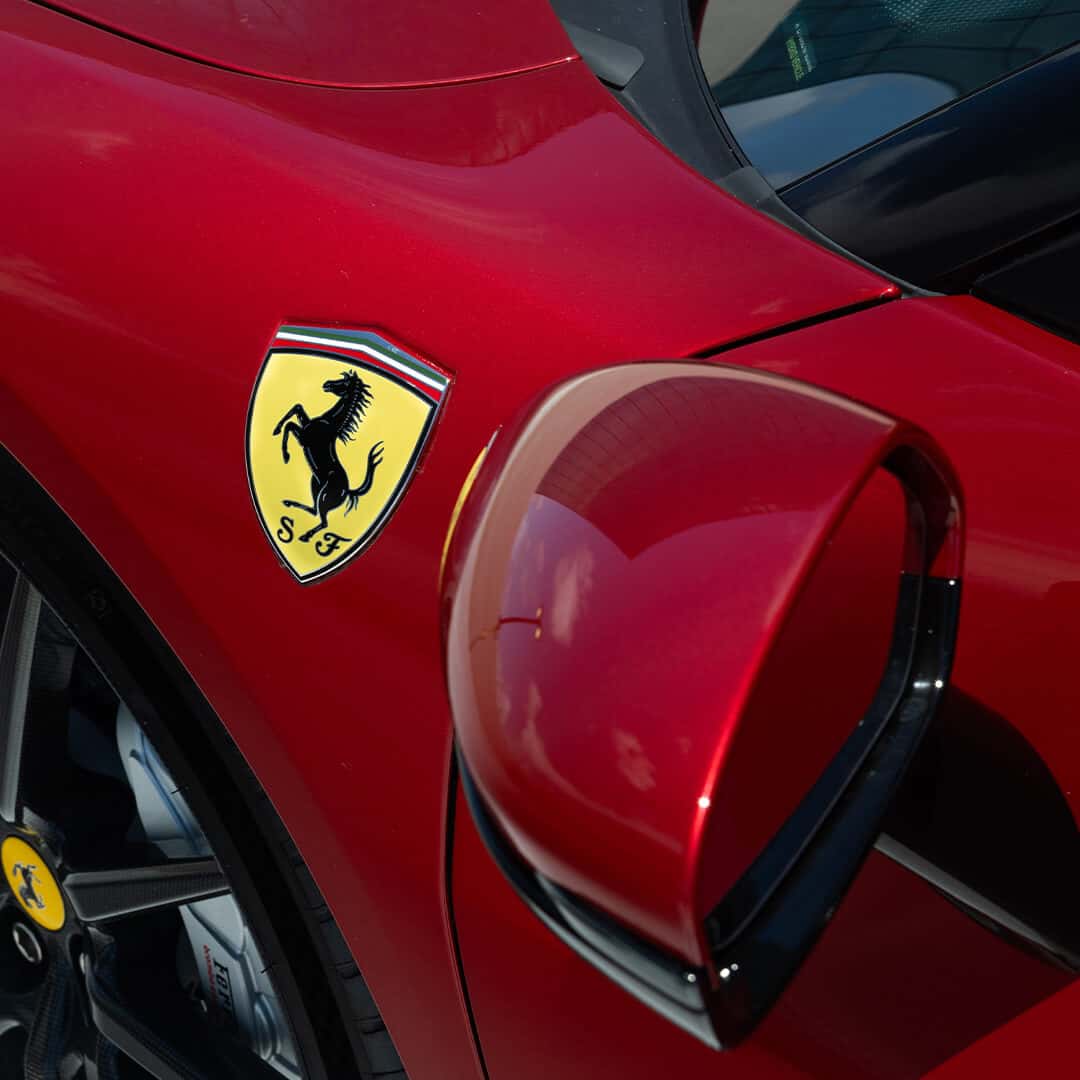
Metallizzato · The shifting red
Dark metallic named for Ferrari's private test track. Shifts as light moves across the bodywork.
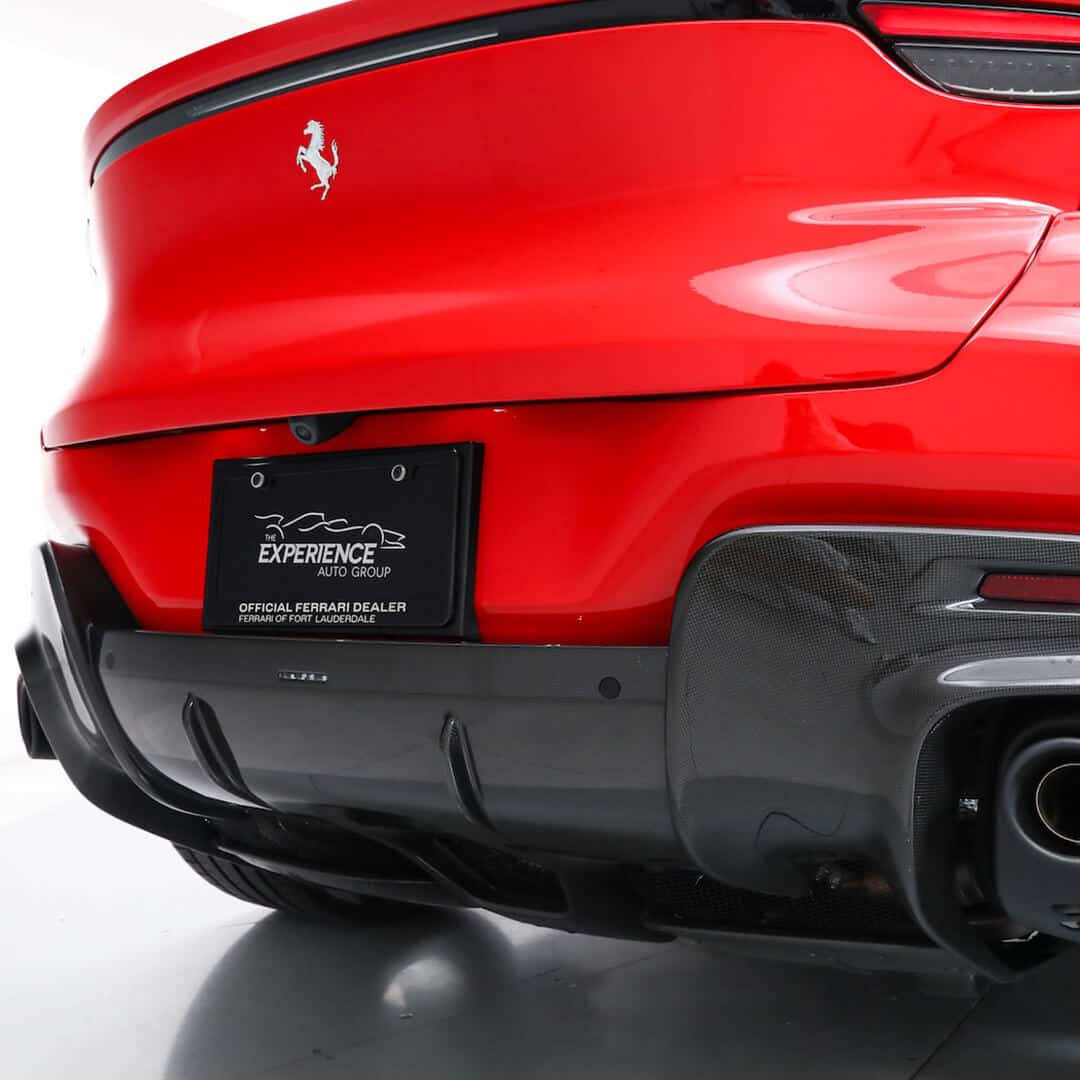
Pastello · The broadcast red
Lighter, with subtle orange undertones — developed to pop on modern F1 television
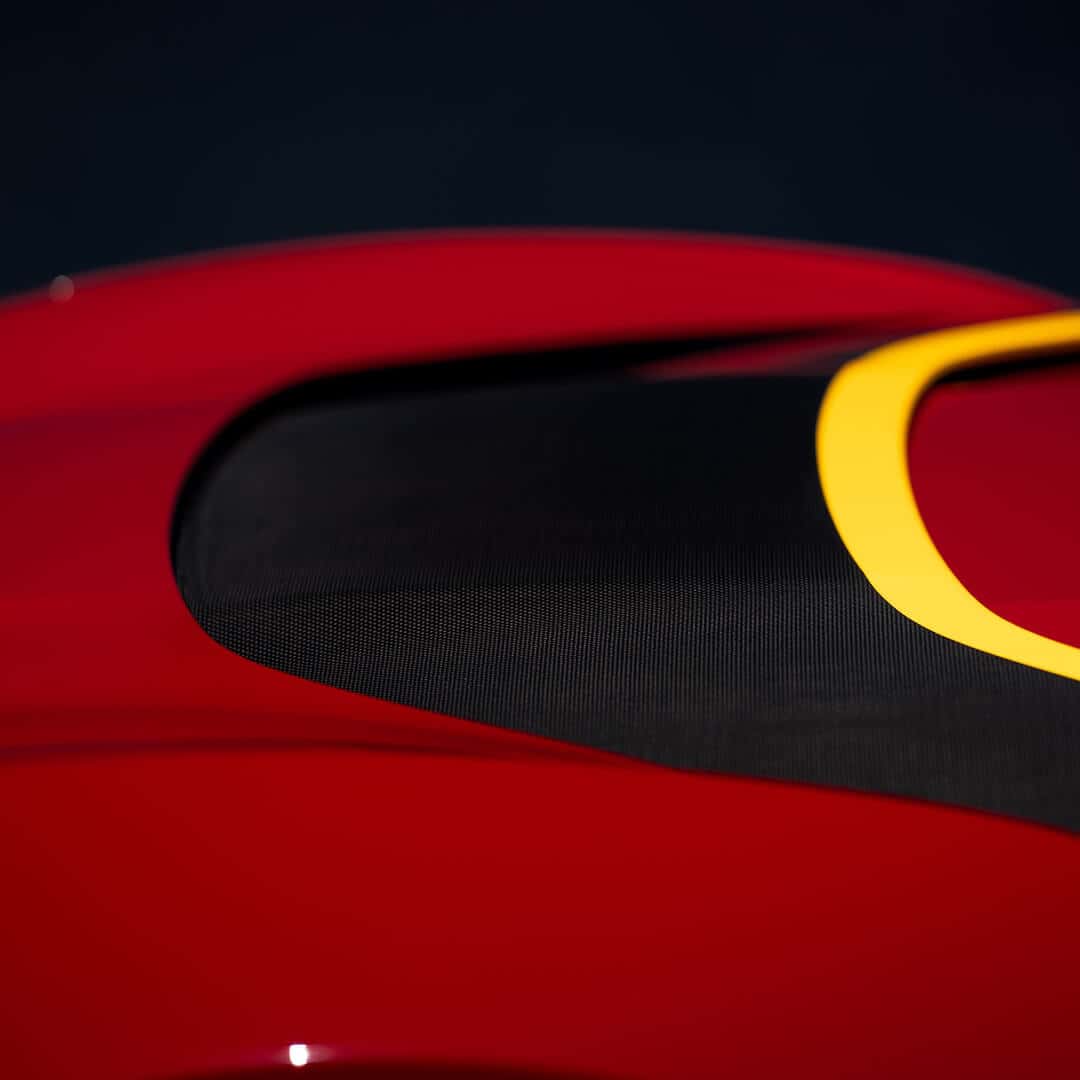
Pastello · The sophisticated red
Deeper, darker. Named for the Tuscan circuit. The understated choice.
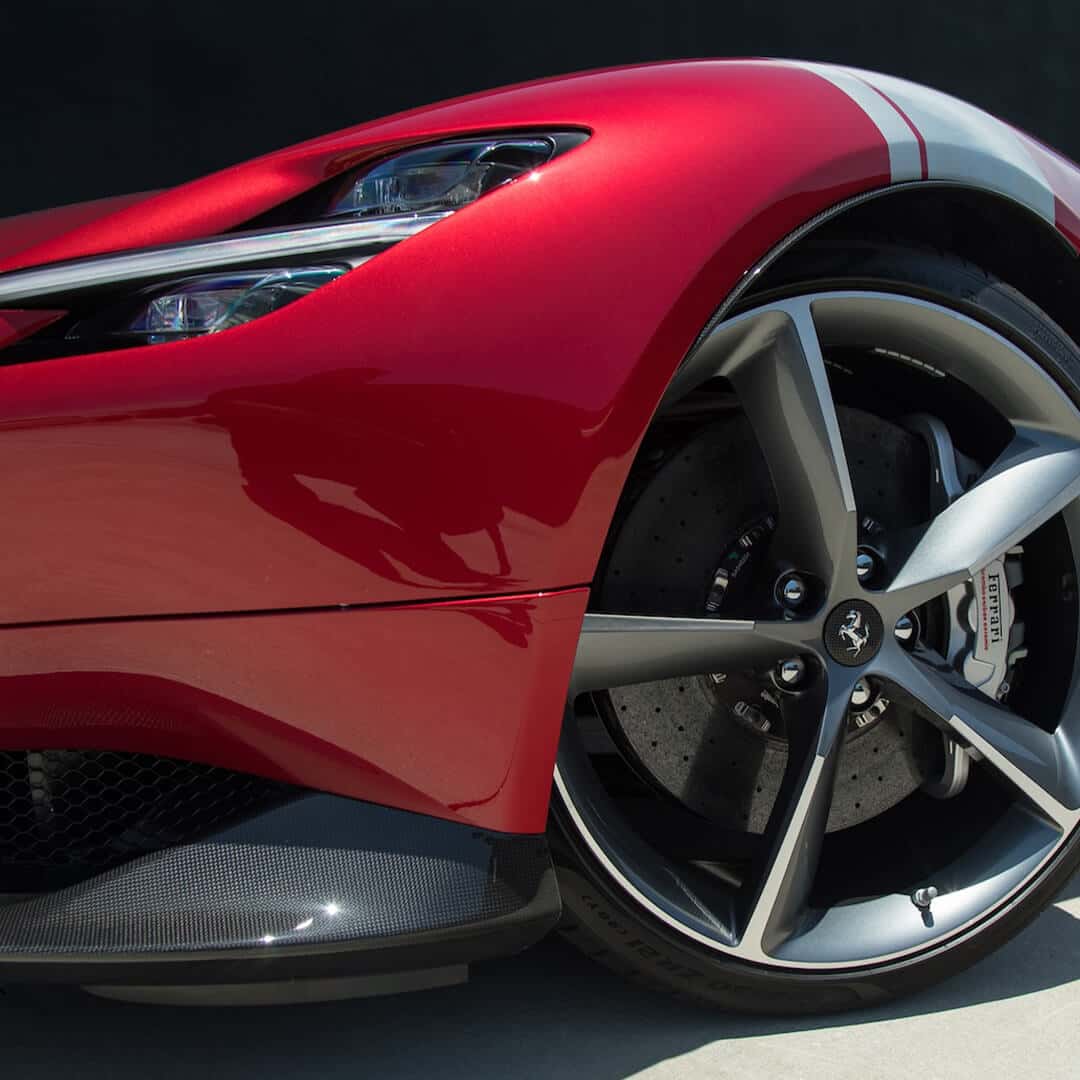
Tristrato · The luminous red
Triple-layer metallic. Extraordinary depth under direct sunlight. Commands a significant premium.
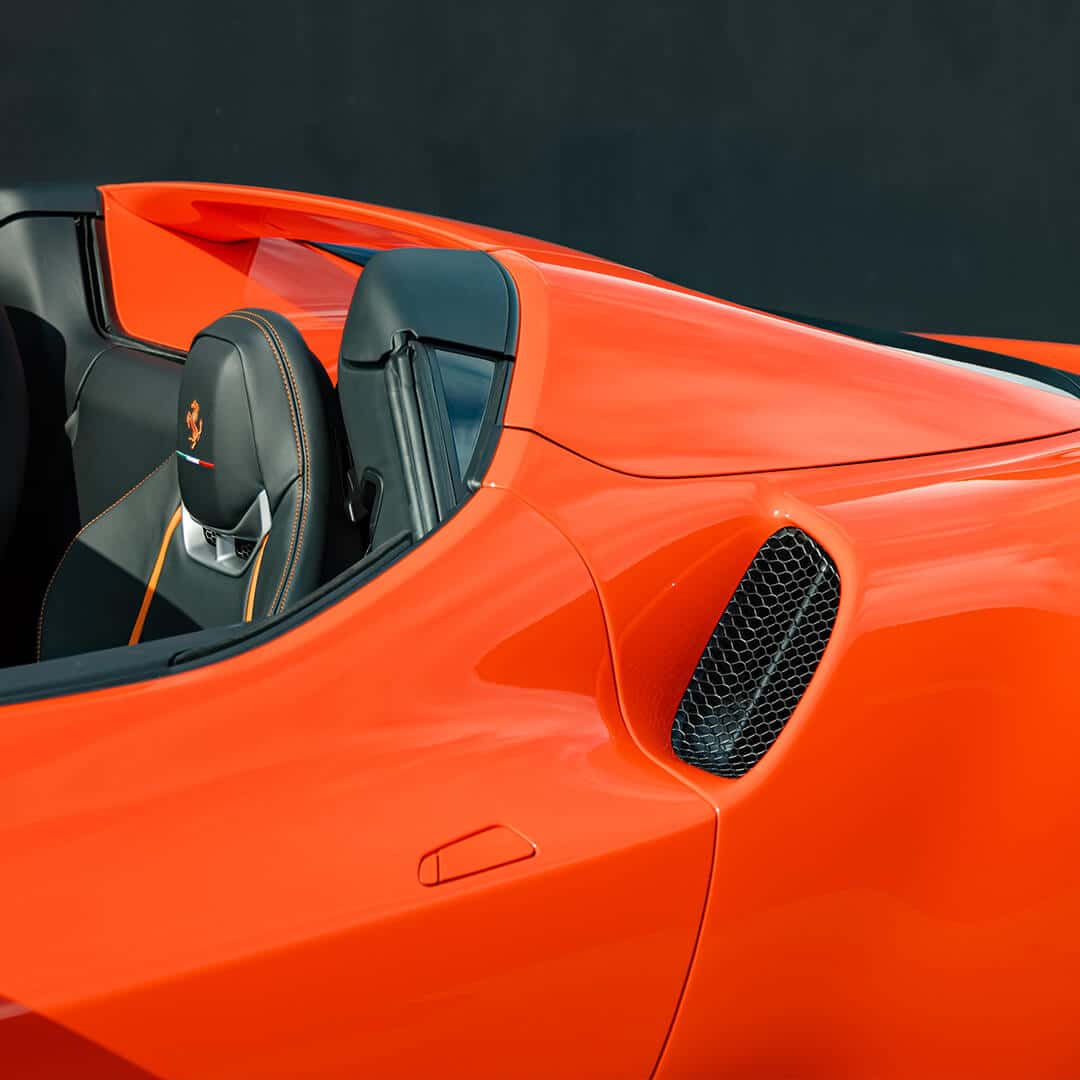
Pastello · The rebellious classic
A warm, vibrant red with a subtle orange character. Reflects Ferrari’s lighter, more expressive approach to racing heritage.The biggest shift in Ferrari history isn't mechanical—it is visual. Tradition has officially given way to absolute individuality.
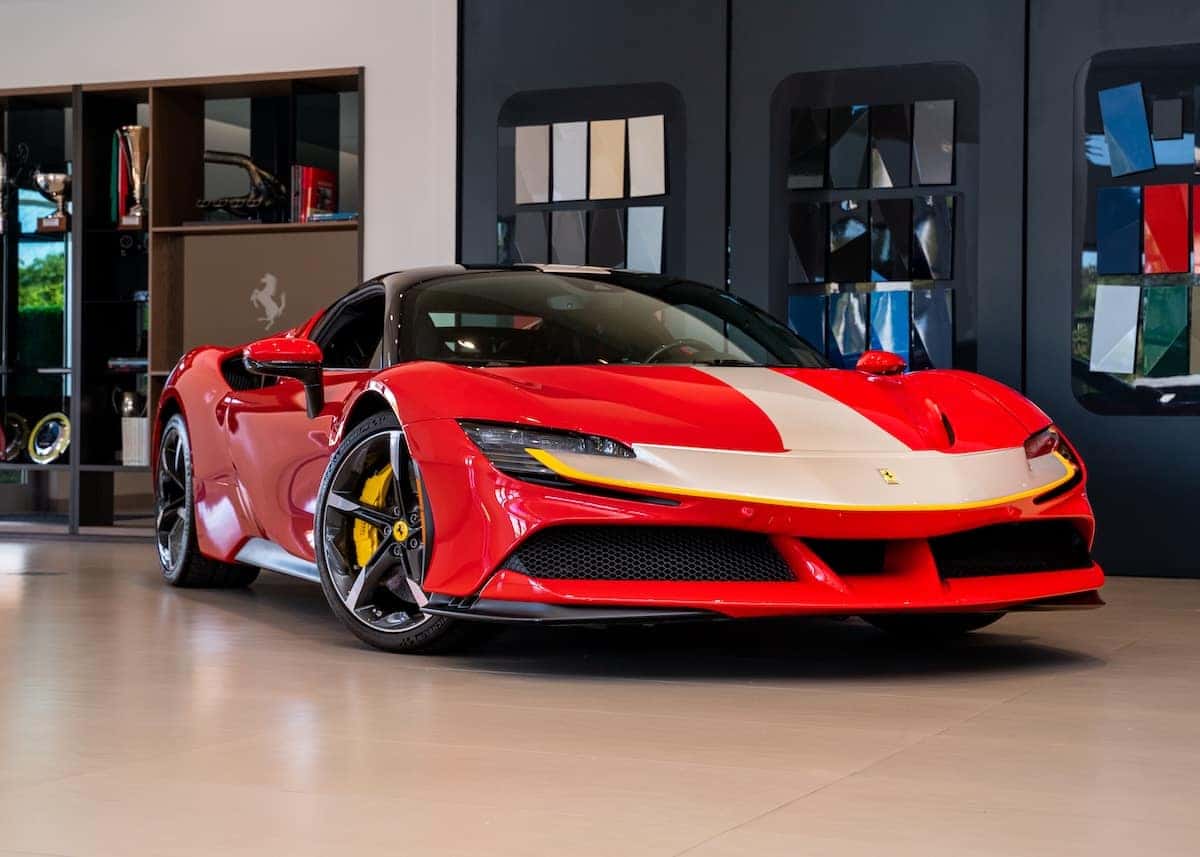
The “Resale Red” era is over. Today, individualized specifications command massive premiums at auction — the opposite of what collectors feared for decades.
Through Tailor Made, buyers are embracing Blu Tour de France, Giallo Modena, architectural silvers, and organic earth tones. A unique specification is no longer a financial risk. It’s a mark of knowledge.
Rosso Corsa literally translates to “Racing Red.” The name honors Ferrari’s origins in competitive motorsport, where flat, vibrant pigments were mixed purely to look fast on the track.
Yes, starting with the first 1947 Ferrari 125 S to comply with national racing color rules. The only major exception was in late 1964, when Enzo painted his F1 cars blue and white to protest Italian racing authorities.
Both are flat Pastello (solid) finishes, but Rosso Corsa is the traditional, deeper baseline red used since 1947. Rosso Scuderia is a lighter, brighter red with orange undertones, engineered to pop on modern HD television broadcasts.
No. The “Resale Red” panic is officially over. Modern collector psychology has flipped: rare, tastefully curated custom colors (like tailored blues, greens, and bronzes) now actively command the highest market premiums at auction.
There are 59 documented shades of Ferrari red spanning eight decades of production. This includes standard catalog mainstays, historic racing pigments, and ultra-rare, multi-layer custom formulations.
Yes. Ferrari’s Tailor Made program allows you to select from an archive of historic paints or engineer a bespoke formulation. The factory only blocks brand-damaging requests, meaning colors like pink remain strictly forbidden.